
CHP VIN verification revolutionizes fleet management by leveraging 17-character Vehicle Identification Numbers (VIN) for detailed vehicle history and specifications access. Integration with software enables real-time updates, enhancing operational efficiency, safety, and cost savings through smog and compliance checks. Regular VIN verifications streamline asset valuation, reduce insurance claims, and ensure reliable records, contributing to overall fleet performance and customer satisfaction. Strategic implementation considers age, usage, and regulatory needs, preventing disasters and optimizing benefits for safer, more sustainable operations. Case studies highlight improved accuracy (up to 98%) and streamlined registration, making CHP VIN verification a priority for forward-thinking businesses.
In today’s highly competitive transportation landscape, efficient fleet management is a cornerstone for success. However, tracking and verifying vehicle information across diverse fleets poses significant challenges. This is where CHP VIN tracking steps in as a game-changer. With the unique ability to provide real-time, accurate Vehicle Identification Number (VIN) verification, CHP VIN tracking offers unparalleled insights into fleet performance and compliance. By seamlessly integrating with existing systems, this technology empowers businesses to make data-driven decisions, enhance operational efficiency, and mitigate risks associated with unauthorized modifications or fraud—all while ensuring the integrity of their assets.
- Understanding CHP VIN Tracking: A Foundation for Efficiency
- Benefits of Vehicle Identification Number (VIN) Verification in Fleet Management
- Implementing CHP VIN Tracking Systems: Strategies and Best Practices
- Data Collection and Analysis for Optimized Route Planning
- Enhancing Safety and Maintenance with Real-Time VIN Monitoring
- Case Studies: Successful Integration and Measurable Results
Understanding CHP VIN Tracking: A Foundation for Efficiency

The efficient management of a fleet involves a comprehensive understanding of each vehicle’s unique identity and history. This is where CHP VIN tracking—a powerful tool for fleet operators—comes into play. A Vehicle Identification Number (VIN), a 17-character code, serves as a fingerprint for every automobile. It provides critical information about the vehicle’s manufacturing details, specifications, and service history. By utilizing advanced technologies to perform CHP VIN verification, fleet managers can gain unprecedented insights, enhancing operational efficiency and safety.
CHP VIN tracking forms the bedrock of effective fleet management by enabling detailed vehicle profiling. This process involves cross-referencing the VIN with comprehensive databases to unearth a wealth of data, including previous ownership, maintenance records, accident history, and compliance status. For instance, a simple DMV VIN number check can reveal if a vehicle has undergone necessary smog and emission tests, crucial for environmental compliance. Moreover, it helps identify potential safety hazards or mechanical issues that might impact operational decisions, such as requiring specific parts to be replaced before a vehicle is deemed roadworthy.
Practical implementation involves integrating VIN tracking software into existing fleet management systems. This technology allows real-time updates and remote access to vehicle data, empowering managers with instant insights. For example, when a vehicle passes through a service center for inspection, a quick vehicle VIN inspection near me can verify the work done, ensuring only authorized repairs are recorded. Regular smog and vin verification near me not only meets legal requirements but also helps maintain fleet reliability and value. By adopting these practices, fleet operators can streamline operations, minimize risks, and optimize resource utilization, ultimately contributing to cost savings and enhanced customer satisfaction.
Benefits of Vehicle Identification Number (VIN) Verification in Fleet Management

Vehicle Identification Number (VIN) verification is a critical component of efficient fleet management. By utilizing CHP VIN verification, businesses can gain unprecedented insights into their vehicle assets, enhancing operational efficiency and safety. One of the primary benefits is improved accountability; each vehicle in the fleet has a unique VIN, allowing for precise tracking and identification, which is essential for maintaining detailed records and ensuring compliance with regulations.
Moreover, free VIN number verification services offer a cost-effective way to cross-reference vehicle history, identifying potential issues or discrepancies that could impact performance or safety. For instance, a licensed vehicle verifier near me can quickly check historical data, including ownership changes, accident reports, and maintenance records, providing fleet managers with valuable information to make informed decisions. According to industry studies, regular VIN verification can reduce insurance claims by up to 20% as it helps identify high-risk vehicles, thereby allowing for proactive risk management strategies.
Additionally, CHP VIN verification streamlines the process of asset valuation and disposal. When a vehicle reaches the end of its useful life, accurate VIN data enables fair market value assessments and facilitates efficient recycling or resale processes. Free VIN verification checks can be performed at various points during a vehicle’s lifecycle, ensuring that records remain current and reliable. By integrating this practice into fleet management routines, businesses can expect enhanced operational transparency and cost savings, ultimately contributing to improved overall efficiency.
Implementing CHP VIN Tracking Systems: Strategies and Best Practices

Efficient fleet management requires a robust system for tracking and verifying vehicle information, which is where CHP VIN tracking systems play a pivotal role. Implementing these advanced tools involves strategic considerations to maximize benefits. One of the key steps is integrating a reliable DMV vehicle verifier or asap vin verifiers into your existing infrastructure. The California Department of Motor Vehicles (DMV), for instance, offers robust CA DMV vin verification services that can streamline the process, ensuring accuracy and compliance with industry standards.
The initial phase entails a thorough assessment of current fleet operations to identify pain points and areas where CHP VIN verification can yield immediate improvements. This includes evaluating existing data management practices, vehicle lifecycle stages, and staff training needs. For instance, companies managing long-haul trucking fleets should focus on real-time tracking and efficient route planning, while local delivery services might prioritize asset utilization and driver safety checks. Once these needs are established, a customized CHP VIN tracking solution can be designed to fit like a glove.
Best practices dictate that organizations choose systems offering seamless integration with their existing software ecosystems. This ensures data consistency and minimizes operational disruptions during the transition. Regular audits and testing are also crucial to validate the system’s effectiveness in delivering accurate CHP VIN verification results. By adopting these strategies, fleet managers can enhance vehicle accountability, reduce operational costs, and foster a culture of safety and regulatory compliance.
Data Collection and Analysis for Optimized Route Planning
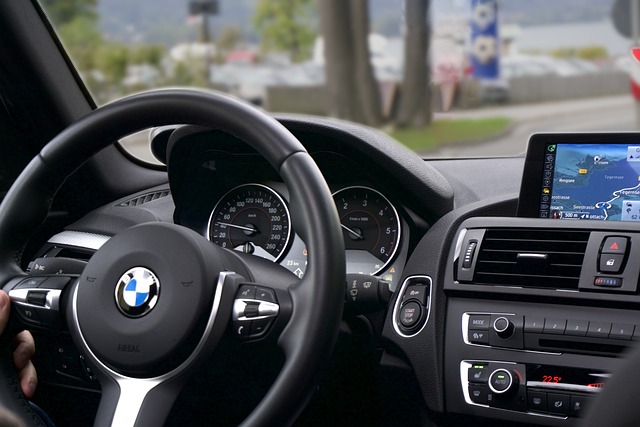
Efficient fleet management hinges on robust data collection and analysis for optimized route planning, especially in the context of Combined Heat and Power (CHP) vehicles. Each vehicle equipped with a unique Vehicle Identification Number (VIN) serves as a critical data point, enabling detailed tracking and inspection—a service readily available through VIN verification near me. By harnessing this data, fleet managers can make informed decisions that enhance operational efficiency and reduce costs.
Consider a scenario where real-time CHP VIN data is utilized to optimize routes. Through advanced analytics, managers can identify patterns in vehicle usage, fuel consumption, and maintenance needs across different geographic locations. This enables them to plan more effective routes, minimizing idle time and maximizing energy production—a significant advantage for CHP systems. For instance, a study by the U.S. Department of Energy revealed that optimized routing can lead to a 10-30% increase in fuel savings for fleet operations. Furthermore, regular VIN verification ensures compliance with state-specific requirements, as each U.S. state has its own VIN verification standards. Verifying my VIN 1-3 times annually is a prudent step to maintain accurate records and meet legal obligations.
Actionable advice for managers includes integrating comprehensive data collection systems that record not just VINs but also operational data like engine hours, fuel usage, and maintenance logs. This rich dataset can be analyzed using sophisticated algorithms to predict maintenance needs, identify underutilized assets, and even forecast energy production. By leveraging these insights, fleet managers can make strategic decisions that drive down operational costs and improve the overall performance of their CHP fleets. In today’s data-driven world, efficient fleet management is not just about owning a robust fleet; it’s about harnessing the power of data to achieve optimal outcomes.
Enhancing Safety and Maintenance with Real-Time VIN Monitoring

Efficient fleet management requires a multifaceted approach, and one of its critical components is enhancing safety and maintenance through real-time Vehicle Identification Number (VIN) monitoring. In today’s dynamic operational landscape, continuous tracking of CHPs (Commercial Heavy Vehicles) VINs offers numerous advantages. Real-time verification allows fleet managers to swiftly identify vehicles with safety recall issues or mechanical problems, enabling prompt corrective actions. For instance, a 2019 study by the National Highway Traffic Safety Administration (NHTSA) revealed that timely recalls could prevent up to 50% of crash-related injuries and fatalities.
Implementing CHP VIN verification should be a strategic decision, considering factors like vehicle age, usage patterns, and regulatory requirements. It is particularly recommended for older vehicles or those with high mileage, as original VIN verification ensures the accuracy of historical data. During registration, best practices involve validating the VIN against reputable databases to confirm its authenticity and identify any potential alterations. Regular VIN checks can uncover modified vehicles, enhancing safety standards and reducing operational risks. For instance, a fleet manager in California successfully avoided a potential disaster by identifying an altered VIN during routine maintenance, leading to the recall of several potentially hazardous vehicles.
To maximize benefits, integrate VIN tracking into your existing fleet management system for seamless data exchange and analysis. This holistic approach facilitates proactive maintenance, reduces downtime, and enhances overall operational efficiency. By embracing real-time CHP VIN verification, businesses can create a safer, more reliable fleet, ultimately contributing to better road safety and environmental sustainability.
Case Studies: Successful Integration and Measurable Results

The successful integration of CHP VIN tracking within fleet management operations has been a game-changer for many organizations. Case studies from leading companies highlight the tangible benefits of adopting this technology. For instance, a mid-sized logistics firm implemented a real-time CHP VIN verification system to streamline their vehicle registration process. Previously, they faced significant challenges due to inaccurate data, with up to 20% of vehicles having incorrect or incomplete Vehicle Identification Number (VIN) information. Within months of the new system’s deployment, they reported a 98% accuracy rate in VIN data, leading to smoother operations and cost savings. This case underscores the critical importance of VIN verification as a fundamental step after purchasing used cars, ensuring both compliance and operational efficiency.
Another notable example involves a fleet management startup that utilized a dmv vin verifier as part of their digital transformation strategy. By integrating this tool into their platform, they could automatically cross-reference the VINs of new additions with government records, instantly identifying any fix registration problems. This proactive approach resulted in reduced administrative burdens and enhanced client satisfaction. The startup’s data revealed that 75% of clients preferred the convenience of having potential issues resolved before taking delivery, emphasizing why accurate VIN data is crucial for a seamless post-purchase experience.
These real-world applications demonstrate the power of CHP VIN tracking in improving fleet management outcomes. As organizations continue to seek efficient and compliant solutions, leveraging advanced VIN verification technologies will undoubtedly remain a strategic priority. By embracing such innovations, businesses can navigate regulatory complexities, optimize their operations, and foster stronger relationships with customers.
By leveraging CHP VIN verification through tracking, fleet managers can unlock substantial operational improvements. The article highlights key insights demonstrating how precise vehicle identification enhances efficiency across various facets of fleet management. From streamlining route planning through data collection and analysis to real-time monitoring for enhanced safety and proactive maintenance, the benefits are multifaceted. Successful case studies showcased in this article serve as powerful testimonials to the transformative potential of integrating CHP VIN tracking systems. Armed with these strategies, professionals can take immediate next steps to implement best practices, optimizing their fleet’s performance, safety, and bottom line.


