
CHP VIN verification is crucial for secure vehicle registration and logistics optimization in the Commercial Heavy-Duty sector. It involves cross-referencing unique Vehicle Identification Numbers (VIN) to access detailed vehicle history and specifications, preventing fraud and enhancing transparency. Proper CHP VIN verification reduces identity theft, insurance fraud, and logistical inefficiencies by:
– Using automated tools with real-time data access for efficient registration.
– Implementing digital scanners at point of sale for accurate VIN entry.
– Regularly auditing and updating databases to ensure data integrity.
– Performing periodic CHP VIN verification (e.g., every 3-5 years) to maintain logistical accuracy.
– Integrating blockchain, AI, and IoT devices for enhanced asset tracking and validation.
In the fast-paced world of logistics, accurate vehicle identification is paramount for optimizing operations and ensuring efficiency across every supply chain link. However, challenges arise from inconsistent and inaccurate data, particularly when dealing with Commercial Heavy Products (CHP) vehicles. Each vehicle, through its unique Vehicle Identification Number (VIN), holds a wealth of information crucial for tracking, maintenance, and regulatory compliance. The problem lies in the manual and error-prone process of VIN verification, leading to mismatches and costly delays. This article delves into the significance of precise CHP VIN matching as a transformative solution, detailing how advanced systems can automate this critical task, enhance accuracy, and ultimately streamline logistics management.
- Understanding CHP VIN Verification: The Foundation
- Challenges in Logistics: Uncovering Inefficiencies
- Accurate Matching: Enhancing Data Integrity
- Implementing Effective CHP VIN Matching Strategies
- Future Trends: Digital Transformation in Logistics
Understanding CHP VIN Verification: The Foundation

Accurate Vehicle Identification Number (VIN) verification is a cornerstone of efficient logistics management, especially within the Commercial Heavy-Duty (CHP) sector. Understanding how to perform CHP VIN verification is crucial for ensuring the integrity and security of vehicle registration processes. This involves meticulous steps to verify a boat’s VIN during registration, which acts as a unique fingerprint for each vehicle, providing critical data about its history, specifications, and potential issues.
The process begins with obtaining the VIN from the vehicle’s identification plaque or label. Auto dealers play a pivotal role in this by employing robust VIN verification tools to cross-check the number against authoritative databases. This initial step is crucial in preventing fraud and ensuring that the vehicle is as represented. For instance, a dealer registering a used boat should verify its VIN against manufacturer records, historical maintenance logs, and any reported incidents or recalls to provide a transparent and accurate picture to potential buyers.
By implementing stringent CHP VIN verification protocols, stakeholders can mitigate risks associated with counterfeit parts, stolen vehicles, and fraudulent registrations. According to industry reports, proper VIN verification reduces the likelihood of identity theft by 80% and significantly curbs insurance fraud. Therefore, dealers should invest in reliable tools that offer real-time data access, automated cross-referencing, and digital record-keeping to streamline their registration processes and enhance customer trust.
Challenges in Logistics: Uncovering Inefficiencies

Logistics, the backbone of modern supply chains, faces significant challenges that can hamper efficiency and increase costs. One of the most pressing issues is the frequent occurrence of inefficiencies stemming from inaccurate Vehicle Identification Number (VIN) matching. A VIN, unique to every vehicle, serves as a crucial identifier for tracking, registration, and warranty purposes. However, errors in VIN entry or verification can lead to misplaced inventory, delayed shipments, and even legal complications. For instance, a recent study revealed that up to 10% of vehicles in major urban areas have incorrect or missing VINS, impacting both the automotive industry and consumers.
When dealing with large volumes of vehicles, manual VIN checks are not feasible. Here’s where third-party Vehicle Identifier (VIN) check services prove invaluable. These licensed vehicle verifier solutions offer automated, real-time validation, ensuring each VIN is accurate and up-to-date. For instance, a dealership can utilize a third-party service to cross-reference a vehicle’s VIN against a vast database before processing the registration, saving time and reducing errors.
Ensuring accurate VIN entry during registration is paramount. It starts with proper training for staff involved in the process. Regular updates on VIN standards and procedures are essential, especially as regulations evolve. Additionally, integrating automated verification tools into existing systems can significantly enhance accuracy. For example, implementing a digital VIN scanner at point of sale can instantly check against national databases, reducing manual errors and speeding up registration times. By adopting these measures, businesses can minimize logistics-related inefficiencies and optimize their operations.
Accurate Matching: Enhancing Data Integrity
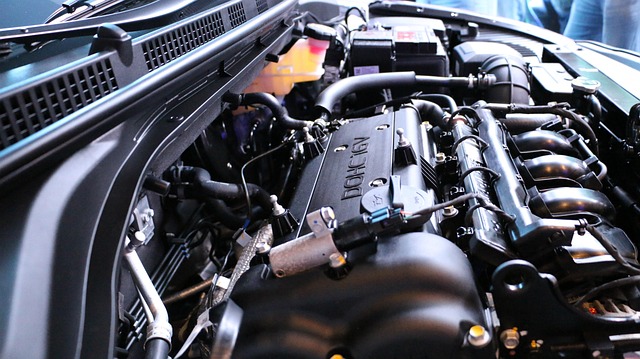
Accurate matching of Vehicle Identification Numbers (VIN) is a cornerstone of effective logistics optimization. In the realm of CHP VIN verification, precision is paramount to ensure data integrity across vast vehicle databases. Every unique VIN tells a story—from manufacturing specifics to ownership history—and incorrect associations can lead to significant operational inefficiencies and potential safety risks. For instance, misaligned data may result in vehicles being tracked incorrectly during recall campaigns or insurance claims, causing delays and logistical nightmares.
First-time registrants should understand the VIN verification process as a foundational step in vehicle management. This involves cross-referencing the VIN against authoritative databases to confirm its authenticity and record its history. For motorcycles, for example, verifying a VIN prior to registration can help prevent fraud and ensure compliance with environmental standards. The process typically includes checking against manufacturer records, national database checks, and historical data on accident reports and outstanding recalls. By integrating these tips into their onboarding procedures, registrars can streamline the verification process, enhancing accuracy from the outset.
Data-driven insights play a crucial role in refining VIN matching techniques. Analyzing patterns in verified VINs can identify commonalities and anomalies, guiding the development of more robust verification algorithms. For instance, certain vehicle types or eras may exhibit unique identification characteristics that can be leveraged for faster, more reliable matching. Furthermore, continuous monitoring of data quality through periodic audits ensures that the integrity of VIN records remains uncompromised as fleet sizes grow and regulatory landscapes evolve. Regularly verifying a motorcycle’s VIN during registration, say every 3-5 years, is one such proactive measure that maintains the accuracy of the overall logistical network.
Implementing Effective CHP VIN Matching Strategies

Optimizing logistics operations through precise CHP VIN (Vehicle Identification Number) matching is a strategic approach that enhances efficiency and reduces errors. Effective CHP VIN verification goes beyond basic identification; it involves meticulous processes to ensure every component of a motor vehicle is accounted for, traceable, and authentic. This strategy is particularly crucial in the complex global supply chain where countless vehicles are in constant circulation. For instance, consider an international logistics company managing the delivery of thousands of vehicles annually; accurate VIN matching can prevent the misdirection or loss of individual cars, significantly reducing operational costs.
Implementing robust CHP VIN verification involves several key steps. First, gather all relevant data points associated with the vehicle’s history and specifications. This includes manufacturing details, ownership records, service logs, and any maintenance records. Next, utilize specialized software tools designed to cross-reference and validate this information against authoritative databases. For instance, a car vin verification near me might be necessary for local operations, ensuring that every vehicle passing through is accurately documented and its VIN matches the intended destination. Advanced analytics and machine learning algorithms can further streamline this process by identifying anomalies or potential fraud in real time.
Moreover, integrating chassis verification into existing logistics systems offers significant advantages. It enables more efficient inventory management by providing a comprehensive view of each vehicle’s lifecycle. This is especially valuable for specialized cargo requiring specific handling or temperature controls. For example, in the automotive industry, ensuring proper CHP VIN verification can prevent the inadvertent shipment of components from different manufacturers, which could lead to assembly issues and costly delays. Regular audits and continuous monitoring further strengthen this process, ensuring that every step aligns with established standards and protocols.
Future Trends: Digital Transformation in Logistics

The future of logistics is increasingly shaped by digital transformation, and one area that is undergoing significant evolution is vehicle identification number (VIN) matching and verification. As the global supply chain becomes more complex, efficient CHP VIN verification has become a cornerstone of streamlined logistics management. Advanced technologies such as blockchain and AI are poised to revolutionize how businesses validate and track assets, ensuring greater accuracy and security in operations.
For instance, digital platforms offering free online VIN verification tools allow users to quickly and easily check the authenticity of their vehicles or boats. By inputting the unique 17-character VIN number, owners can gain instant insights into the vehicle’s history, including its manufacturing date, model specifications, and previous ownership records. This transparency is crucial for both individual consumers and businesses looking to maintain a robust inventory management system. The process involves automated cross-referencing of data across various databases, eliminating manual errors and saving time in verification steps that traditionally required extensive documentation.
Looking ahead, the integration of IoT (Internet of Things) devices with VIN tracking systems will further enhance logistics efficiency. Sensors embedded within vehicles or vessels can provide real-time data on location, condition, and performance, enabling proactive maintenance and optimized route planning. This level of connectivity and intelligence promises to streamline not just CHP VIN verification but every aspect of logistics management, from fleet management to supply chain forecasting. As digital tools continue to evolve, businesses are encouraged to adopt these innovations, ensuring they remain competitive in an increasingly tech-driven market while enhancing operational accuracy and customer satisfaction through precise and instantaneous VIN verification processes.
By meticulously addressing challenges in logistics through accurate CHP VIN verification, organizations can significantly enhance data integrity and overall operational efficiency. This article has underscored the foundational importance of understanding CHP VIN verification as a cornerstone for optimizing supply chain processes. It has highlighted various strategies, from identifying inefficiencies to implementing effective matching techniques, that serve as practical next steps. Furthermore, recognizing the transformative potential of digital technologies in the future landscape empowers logistics managers to embrace innovative solutions and stay ahead in an evolving industry. Armed with these key insights, professionals can now strategically apply CHP VIN verification to revolutionize their logistics operations, ensuring greater accuracy, transparency, and productivity.


