
Verifying a foreign vehicle's authenticity through CHP VIN verification is crucial for buyers. This process involves cross-referencing a 17-character VIN with global databases to check for tampering, fraud, or stolen vehicles. Preparation includes gathering documents and verifying the VIN. Challenges include accurate VIN acquisition and dealing with altered numbers; best practices involve validating against manufacturer records, specialized databases, physical inspection, and real-time global data feeds. Streamlined verification ensures compliance, consumer protection, and deters organized crime.
In the global automotive market, verifying the authenticity and history of imported vehicles is a complex challenge. With an increasing number of cross-border transactions, ensuring the integrity of vehicles entering a country becomes paramount to safeguard consumer safety and prevent fraud. The California Highway Patrol (CHP) Vehicle Identification Number (VIN) verification process offers a robust solution. This article delves into the intricate details of utilizing CHP VIN verification as a critical tool for international vehicle inspection, providing an authoritative guide for professionals navigating this essential aspect of modern automotives.
- Understanding CHP VIN Verification Process
- Preparing Your Vehicle for Inspection
- Step-by-Step Guide: Verifying Foreign Vehicles
- Common Issues & Tips for a Successful Check
Understanding CHP VIN Verification Process

Verifying a foreign vehicle’s authenticity is a critical process, especially when dealing with potential import purchases. The California Highway Patrol (CHP) offers a robust Vehicle Identification Number (VIN) verification service that acts as a powerful tool for buyers and regulators alike. This process ensures that vehicles entering the market meet safety standards and legal requirements, preventing the sale of stolen or counterfeit vehicles. Understanding the CHP VIN verification process is key to navigating this essential car commercial truck VIN verification step.
The first phase involves obtaining the VIN from the vehicle, which serves as a unique identifier containing crucial manufacturing data. This number is then entered into the CHP’s online system, where it undergoes rigorous cross-referencing with databases maintained by various governmental and international bodies. The system checks for discrepancies, ensuring the VIN’s authenticity and matching it against records of known stolen vehicles or instances of fraudulent documentation. One of the critical aspects here is the global reach of these databases, allowing for comprehensive vehicle history reports that transcend borders.
Once the initial verification passes, the process moves to on-site inspection, where a CHP officer physically examines the vehicle. This includes checking the chassis and other components against the recorded VIN data to ensure consistency. For instance, the car’s make, model, year, and other details should perfectly align with the provided VIN. Such inspections are particularly crucial in cases where visual alterations might suggest a “cloned” or altered vehicle identity. In recent years, ASAP vin verifiers have gained popularity for their speed and efficiency, complementing the official CHP process by providing quick, on-site reads during transactions.
Regular car vin inspections, whether conducted by official bodies like the CHP or private services, play a vital role in maintaining the integrity of the automotive market. They safeguard consumers, ensure legal compliance, and deter organized crime involved in vehicle trafficking. Staying informed about these verification methods empowers buyers to make confident decisions, knowing that their potential purchases are legitimate and safe.
Preparing Your Vehicle for Inspection

Preparing your vehicle for CHP VIN verification is a crucial step in ensuring a smooth process and confirming its legitimacy. Begin by gathering all necessary documents, including registration papers, ownership certificates, and any historical service records. The Vehicle Identification Number (VIN) plays a pivotal role in determining a vehicle’s registration status; thus, verifying this number through authorized channels like the California Highway Patrol (CHP) is essential. For commercial truck VIN verification, it is wise to consult local resources or seek assistance from experts familiar with these procedures.
Inspect your vehicle thoroughly before inspection. Ensure all components are present and in good working order, as any discrepancies might hinder the process. Check for any visible signs of damage, alterations, or unauthorized modifications, which could raise concerns during verification. For instance, a car’s chassis number, an integral part of its VIN, should be clearly visible without evidence of tampering. Regular maintenance records can also support the vehicle’s history and current condition.
During preparation, consider documenting any unique features or modifications you’ve made to your vehicle. While this doesn’t affect CHP VIN verification directly, it could expedite future processes and prove ownership if needed. Remember, a well-prepared vehicle reflects not only on your attention to detail but also ensures a seamless interaction with authorities during verification checks, including commercial truck VIN verifications near you.
Step-by-Step Guide: Verifying Foreign Vehicles
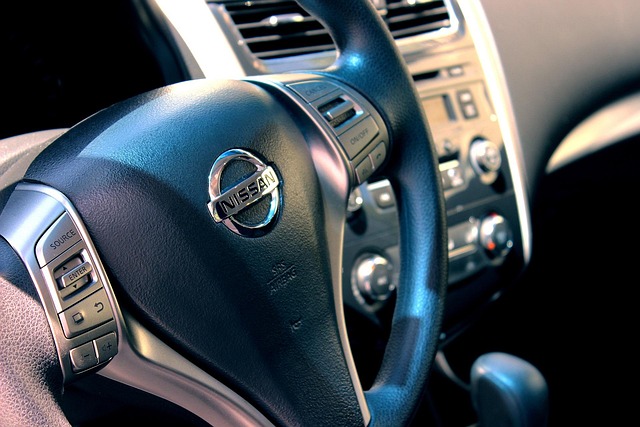
Verifying a foreign vehicle’s authenticity using the California Highway Patrol (CHP) Vehicle Identification Number (VIN) verification process involves several crucial steps. This method ensures that the vehicle’s history and components are as represented by the manufacturer. Here is a step-by-step guide to help you navigate this procedure effectively.
Begin by obtaining the VIN from the vehicle, which can typically be found on the driver’s side of the dashboard or in the door jam. The VIN is a unique 17-character code that serves as the primary identifier for any vehicle. It provides detailed information about the vehicle’s build, including its make, model, year, and other specifications. To verify using CHP VIN, you’ll access their online database through the official CHP website.
Next, input the VIN into the CHP VIN verification tool. This digital platform will cross-reference your provided VIN against their comprehensive database of vehicles, including imported and foreign models. The system will then deliver a detailed report, offering insights into the vehicle’s history, its current status, and any potential red flags. For instance, it can reveal previous owners, accident reports, outstanding recalls, or modifications made to the vehicle. A free VIN verify service allows you to perform this check, providing basic information at your convenience.
However, for a comprehensive analysis, consider engaging professional services that offer advanced VIN verification. These experts can delve deeper into the data, uncovering hidden issues or discrepancies. For instance, they might compare the VIN against international databases to ensure the vehicle’s origin and identify any potential fraudulent activities during importation. This step is crucial when purchasing a foreign vehicle, as it helps protect buyers from buying a stolen or illegally modified vehicle.
Common Issues & Tips for a Successful Check

When conducting a CHP VIN verification, several common issues can arise, requiring careful attention for a successful check. One of the primary challenges is obtaining an accurate Vehicle Identification Number (VIN). Vehicles imported from abroad may lack proper documentation or have incorrect information recorded, making it crucial to validate the VIN with reliable sources. For instance, comparing the provided VIN with the manufacturer’s records or using specialized databases like DR2698 VIN verification tools can help identify discrepancies early in the process.
Another potential pitfall is dealing with altered or tampered-with VINs. Scammers often modify vehicles’ identification numbers to evade detection, which can complicate matters for regulators and owners alike. To mitigate this risk, it’s essential to inspect the vehicle physically and cross-reference visual characteristics with the reported VIN. Experts recommend using a light source to read metal plates and check for any signs of manipulation or unusual markings. Furthermore, combining these visual checks with digital tools offering free vehicle identification checks can provide an extra layer of security during verification.
Data accuracy is paramount in CHP VIN verification. Inaccurate or outdated records can lead to misidentification and registration issues. Regular updates and cross-referencing with global databases ensure the integrity of information. For instance, integrating real-time data feeds from international authorities allows for immediate validation of foreign vehicle registrations. This proactive approach not only solves car registration issues but also enhances overall efficiency in managing imported vehicles. By adhering to these best practices, professionals can streamline the verification process, ensuring compliance and peace of mind for all parties involved.
By following the comprehensive guide outlined in this article, individuals and professionals alike can confidently navigate the process of CHP VIN verification for foreign vehicles. Understanding the intricate steps involved, from preparing your vehicle to the step-by-step inspection, equips readers with the knowledge to ensure accuracy and compliance. Recognizing common pitfalls and incorporating practical tips allows for a seamless experience, fostering trust in the integrity of the verification process. This authoritative article serves as a valuable resource, empowering individuals to successfully verify foreign vehicles through CHP VIN, thereby upholding safety standards and facilitating efficient vehicle management.


